Content Strategy 2025: Creating Content That Ranks and Converts
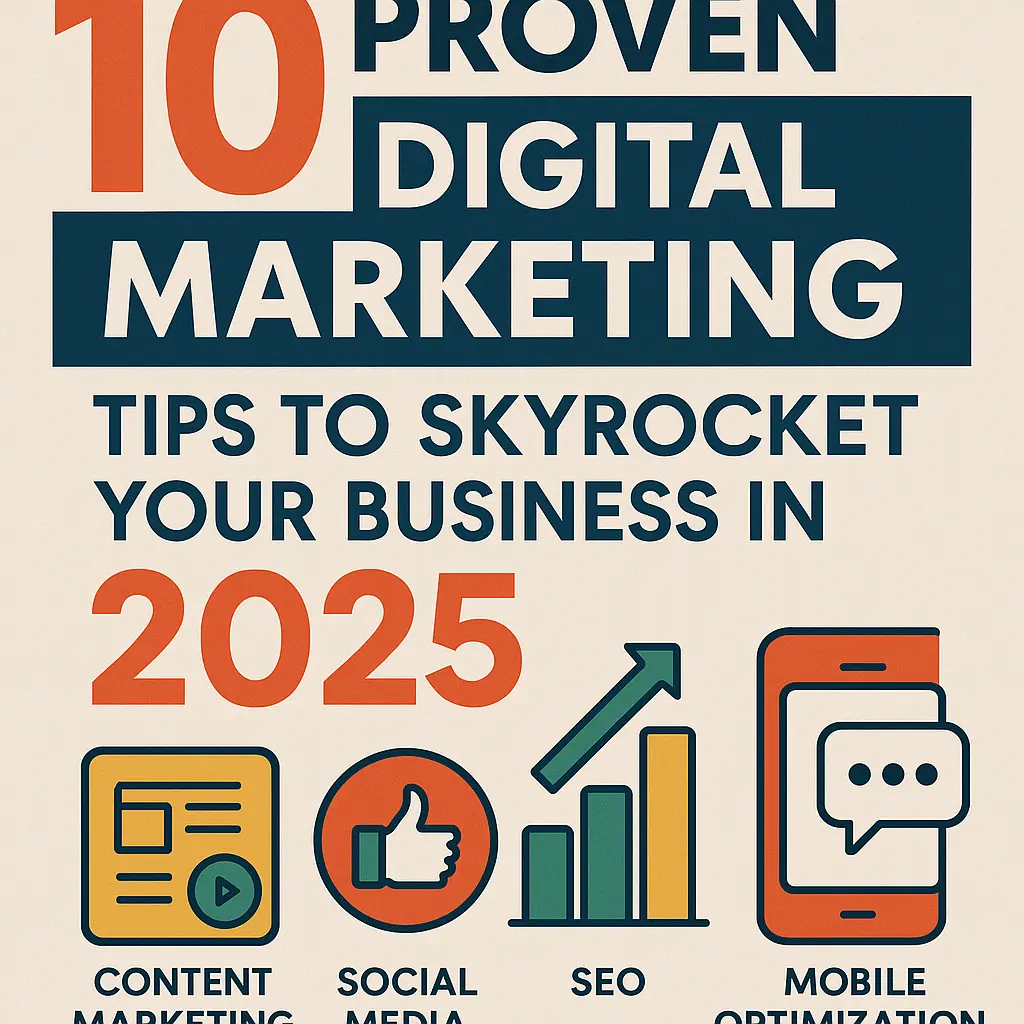
Content strategy has evolved dramatically in 2025. With Google's Helpful Content Update, AI-generated content, and changing user behaviors, creating content that both ranks and converts requires a sophisticated approach. In this comprehensive guide, I'll share the proven content strategies that are working in 2025 and how to implement them effectively.
The Evolution of Content Strategy
Content strategy in 2025 is fundamentally different from previous years. Here's what's changed:
Key Changes in 2025
- AI Integration: AI tools are enhancing, not replacing, human creativity
- User-First Focus: Google prioritizes content that serves users
- Multimedia Dominance: Video, audio, and interactive content are essential
- Personalization: Content must be tailored to specific audiences
- E-A-T Emphasis: Expertise, Authoritativeness, and Trustworthiness matter more than ever
1. Understanding Your Audience
The foundation of any successful content strategy is deep audience understanding:
Audience Research Methods
- Persona Development: Create detailed buyer personas
- Behavioral Analysis: Study how your audience consumes content
- Keyword Research: Understand what your audience is searching for
- Social Listening: Monitor conversations in your niche
- Competitor Analysis: Learn from what works for others
Creating Audience Personas
Develop detailed personas that include:
- Demographics and psychographics
- Pain points and challenges
- Goals and aspirations
- Content consumption preferences
- Buying journey stages
2. Content Planning and Strategy
A well-planned content strategy is crucial for success:
Content Strategy Framework
- Content Pillars: Define 3-5 main topic areas
- Content Types: Mix of educational, entertaining, and promotional content
- Publishing Schedule: Consistent, sustainable frequency
- Distribution Channels: Where and how you'll share content
- Success Metrics: How you'll measure performance
Content Calendar Development
- Plan content 3-6 months in advance
- Balance evergreen and timely content
- Include seasonal and trending topics
- Coordinate across different content types
- Leave room for flexibility and opportunities
3. Content Creation Best Practices
Creating high-quality content that ranks and converts requires specific approaches:
Content Quality Standards
- Comprehensive Coverage: Address topics thoroughly
- Original Research: Include unique data and insights
- Expert Perspectives: Include industry expert quotes and insights
- Actionable Value: Provide practical, implementable advice
- Engaging Writing: Make content enjoyable to read
SEO-Optimized Content Creation
- Research and target relevant keywords
- Use proper heading structure (H1, H2, H3)
- Include internal and external links
- Optimize meta titles and descriptions
- Create content that answers user intent
4. Content Types That Work in 2025
Different content types serve different purposes in your strategy:
Educational Content
- How-To Guides: Step-by-step instructions
- Tutorials: Video and written tutorials
- Case Studies: Real-world examples and results
- Industry Reports: Data-driven insights
- Expert Interviews: Q&A with industry leaders
Entertainment Content
- Behind-the-Scenes: Show your company culture
- User-Generated Content: Feature customer stories
- Infographics: Visual data presentation
- Podcasts: Audio content for busy audiences
- Live Streams: Real-time engagement
5. AI and Content Creation
AI tools are transforming content creation in 2025:
AI Content Strategy
- AI as Assistant: Use AI for research and ideation
- Human Oversight: Always review and edit AI-generated content
- Personalization: Use AI to create personalized content
- Efficiency: Automate repetitive content tasks
- Quality Control: Ensure AI content meets your standards
AI Tools for Content Creation
- ChatGPT for ideation and outlines
- Grammarly for editing and improvement
- Jasper for long-form content
- Canva AI for visual content
- Descript for video and audio editing
6. Content Distribution Strategy
Creating great content is only half the battle. Distribution is crucial:
Multi-Channel Distribution
- Owned Channels: Website, blog, email newsletter
- Social Media: LinkedIn, Twitter, Instagram, TikTok
- Video Platforms: YouTube, Vimeo, TikTok
- Audio Platforms: Spotify, Apple Podcasts
- Guest Content: Contribute to other publications
Distribution Best Practices
- Adapt content for each platform
- Use platform-specific features
- Engage with your audience
- Cross-promote across channels
- Monitor and optimize performance
7. Content Performance Measurement
Measuring content performance is essential for optimization:
Key Performance Metrics
- Traffic Metrics: Page views, unique visitors, time on page
- Engagement Metrics: Comments, shares, likes, bookmarks
- Conversion Metrics: Lead generation, sales, sign-ups
- SEO Metrics: Rankings, organic traffic, backlinks
- Brand Metrics: Brand awareness, sentiment, loyalty
Analytics Tools
- Google Analytics for website performance
- Google Search Console for SEO metrics
- Social media platform analytics
- Email marketing analytics
- Content performance dashboards
8. Content Optimization and Iteration
Continuous optimization is key to long-term success:
Content Optimization Strategies
- Regular Audits: Review and update existing content
- A/B Testing: Test different headlines, formats, and approaches
- Performance Analysis: Identify what works and what doesn't
- User Feedback: Listen to audience comments and suggestions
- Competitive Analysis: Learn from successful competitors
9. Content Marketing Trends for 2025
Stay ahead by understanding emerging trends:
Emerging Trends
- Interactive Content: Quizzes, calculators, assessments
- Voice Search Optimization: Content optimized for voice queries
- Micro-Content: Short, snackable content pieces
- Personalization: Tailored content experiences
- Community-Driven Content: User-generated and collaborative content
10. Content Strategy for Different Industries
Content strategy varies by industry and business type:
B2B Content Strategy
- Focus on thought leadership and expertise
- Create detailed, comprehensive content
- Use LinkedIn and professional networks
- Develop case studies and whitepapers
- Build relationships through content
B2C Content Strategy
- Create emotional, relatable content
- Use visual and video content heavily
- Focus on social media platforms
- Encourage user-generated content
- Create shareable, viral content
11. Content Team and Resources
Building the right team and resources is crucial:
Content Team Structure
- Content Strategist: Plans and oversees content strategy
- Content Creators: Writers, designers, videographers
- SEO Specialist: Optimizes content for search
- Social Media Manager: Distributes and promotes content
- Analytics Specialist: Measures and reports performance
12. Common Content Strategy Mistakes
Avoid these common pitfalls:
- Inconsistent Publishing: Irregular posting schedules
- Ignoring Audience Feedback: Not listening to your audience
- Focusing Only on SEO: Neglecting user experience
- Copying Competitors: Not developing unique voice
- Ignoring Analytics: Not measuring what matters
13. Scaling Your Content Strategy
As your business grows, your content strategy must evolve:
Scaling Strategies
- Content Repurposing: Turn one piece into multiple formats
- Automation: Use tools to streamline processes
- Outsourcing: Work with freelancers and agencies
- Technology Investment: Invest in content management tools
- Team Expansion: Hire additional content professionals
14. Long-Term Content Strategy
Building a sustainable content strategy requires long-term thinking:
• Consistent quality and publishing schedule
• Continuous learning and adaptation
• Building genuine relationships with audience
• Staying true to your brand voice
• Investing in content infrastructure
Conclusion
Content strategy in 2025 requires a sophisticated, user-first approach that balances SEO optimization with genuine value creation. Success comes from understanding your audience deeply, creating high-quality content consistently, and continuously optimizing based on performance data.
Remember, the best content strategies are those that serve your audience first and your business goals second. When you focus on providing genuine value, the rankings and conversions will follow naturally.
If you need help developing a comprehensive content strategy or want to optimize your existing content marketing efforts, I can help. From audience research to content creation and distribution, I provide expert guidance to help your content rank and convert.